
Chopta, Tungnath and Chandrashila Budget Trek: 4-Day Plan and Trip Cost From Delhi
How to do the Chopta-Tungnath-Chandrashila trek from Delhi on a budget - the route via Rishikesh, Rudraprayag and Ukhimath, seasons including winter snow, acclimatisation basics and per-person costs at three levels.
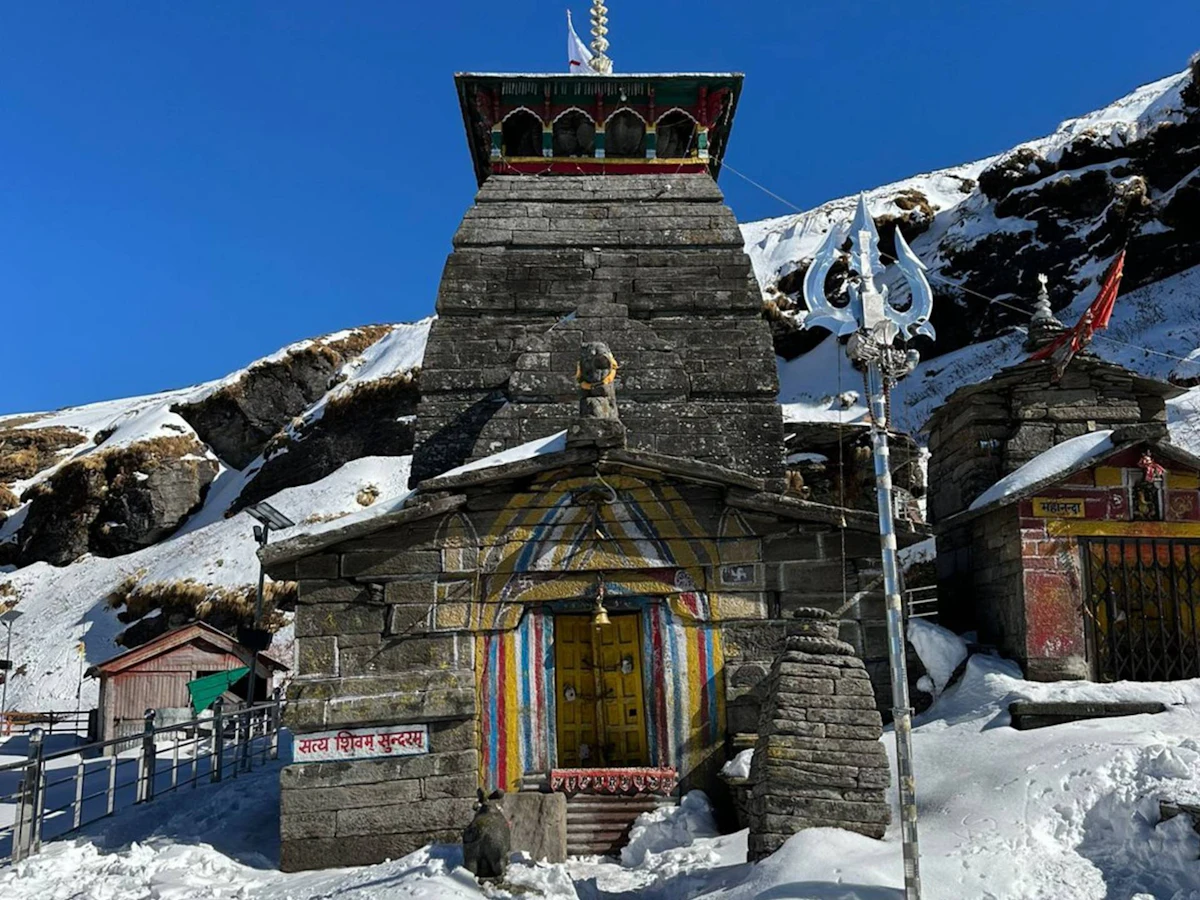
Chopta is the best value mountain trip within reach of Delhi. A short, well-marked trail takes you from a meadow in the forest to Tungnath, among the highest Shiva temples in the world, and a little further to the summit of Chandrashila at around 4,000 m, with a sweep of Garhwal peaks on a clear morning. No permits, no expedition gear in the main season, and the costs are mostly the bus there and back.
The catch is distance. Chopta is a long way into the hills, and the trip is four days from Delhi for most people, not a weekend. This guide covers the route, the trek, the seasons and what it costs per person.
Getting there: Rishikesh, Rudraprayag, Ukhimath
Chopta is roughly 450 km from Delhi, and the mountain section is slow. The usual approach is Delhi to Rishikesh on the first day or overnight, then Rishikesh to Chopta through Devprayag, Srinagar (Garhwal), Rudraprayag and Ukhimath. That second leg alone is commonly eight to ten hours by road.
- Bus and shared jeeps. Take an overnight bus from Delhi to Rishikesh, then an early morning bus towards Rudraprayag or Ukhimath. From Ukhimath, shared jeeps go on towards Chopta, but they are irregular - be ready to wait or to share a taxi with other trekkers. This is the cheapest way and the slowest.
- Hired cab or tempo traveller from Rishikesh or Delhi. The comfortable option, and reasonable when split between a group of four or more.
- Self-drive. Possible in a normal car outside winter, but the roads above Rishikesh are narrow, winding and prone to landslides. Plan to break the drive at Rishikesh or Rudraprayag rather than doing it in one go.
Where to stay
Chopta itself is a small cluster of dhabas and basic stays at roughly 2,600-2,700 m, inside a protected forest area. Facilities are simple - shared or basic rooms, patchy electricity and limited mobile network. Many trekkers stay a little lower, in the villages and roadside settlements along the Ukhimath road, or in Ukhimath itself, and drive up early on trek day. Sari village, the base for the Deoria Tal lake walk, is another popular option if you want to add that on.
Rules on camping and stays in and around Chopta have changed in recent years. Ask your stay, or check locally, what is currently permitted rather than assuming you can pitch a tent anywhere.
The trek: Tungnath and Chandrashila
The trail starts at the road in Chopta and climbs to Tungnath in roughly 3.5-4 km. It is a paved path most of the way, used by pilgrims, but it is steep and steady - most people take two to three hours up. Tungnath temple sits at roughly 3,600-3,700 m and is one of the Panch Kedar temples of Shiva.
From Tungnath, the path to Chandrashila summit is shorter but steeper and rougher - roughly another 1-1.5 km and 45 minutes to an hour. The summit has a small shrine and, on a clear day, a long view across the Garhwal Himalaya.
- Start early. The views are clearest in the morning and clouds often build by midday. Many people start before dawn to reach Chandrashila for sunrise; if you do, carry a headtorch and go with others.
- Allow a full day for the round trip including stops, even though the distance is short.
- Carry water, snacks and layers. It is far colder and windier at the summit than at Chopta.
- Turn back if the weather closes in, especially on the open section above Tungnath.

Seasons and temple timings
- April to June - the most popular window. Pleasant days, rhododendron forest in bloom early in the season, and the temple open.
- July to mid-September - monsoon. The meadows are green but the roads to Chopta are prone to landslides and the views are often clouded out. Not a good time for a tight schedule.
- Late September to November - the clearest skies of the year and the best views. Cold nights.
- December to March - winter, with snow on the trail and sometimes on the road. The trek becomes a snow trek: microspikes or crampons, proper boots and warm layers are essential, and heavy snowfall can block the road short of Chopta. Go with an experienced local guide or group.
Tungnath temple closes for the winter, usually around October or November, and reopens in spring, usually around April or May; the deity moves to a winter seat lower down while it is closed. The exact dates are announced each year, so check the dates for the year if visiting the open temple matters to you. You can still walk the trail in winter, conditions permitting.
Acclimatisation basics
Chandrashila is around 4,000 m, high enough for mild altitude sickness, especially if you go up the day after arriving from the plains. Spending a night at Chopta or nearby before the trek helps.
- Walk slowly and steadily, drink water, and avoid alcohol the night before.
- A mild headache is common; a severe headache, vomiting, confusion or breathlessness at rest are signs to descend at once.
- Anyone with heart or lung conditions should talk to a doctor before going.
- Pack properly - the Himalayan packing list covers layers, footwear and the small things people forget.
Budget: low, mid and high
These figures are per person for four days and three nights, starting and ending in Delhi, with rooms and transport shared in a group of three or four.
Low budget
- Getting there and back: ₹2,000-3,500 - buses to Rishikesh and on to Ukhimath, plus shared jeeps to Chopta.
- Stay: ₹1,500-3,000 for three nights - basic shared rooms or dorms at Chopta, Ukhimath or Rishikesh.
- Food: ₹1,500-2,400 - dhaba meals; prices rise the higher you go.
- Local transport and activities: ₹300-800 - any forest or trail entry charges (check the current fee) and short local rides.
- Buffer: ₹500-1,000.
Total: roughly ₹5,800-10,700 per person.
Mid budget
- Getting there and back: ₹3,500-6,000 - a shared cab or tempo traveller from Rishikesh, or a better bus from Delhi.
- Stay: ₹3,000-5,500 for three nights - private rooms in guesthouses or homestays.
- Food: ₹2,000-3,200.
- Local transport and activities: ₹500-1,500 - entry charges and renting gear such as poles or microspikes.
- Buffer: ₹1,000-1,800.
Total: roughly ₹10,000-18,000 per person.
High budget
- Getting there and back: ₹5,500-9,000 - a private cab from Delhi for the whole trip, split four ways.
- Stay: ₹5,500-10,000 for three nights - the better stays along the route and in Rishikesh.
- Food: ₹2,800-4,500.
- Local transport and activities: ₹1,000-2,500 - a local guide, especially in winter, and gear hire.
- Buffer: ₹1,500-3,000.
Total: roughly ₹16,300-29,000 per person.
Going with a group
Chopta is a much better trip in a group: a shared cab from Rishikesh costs a fraction of what it does alone, you have company on a pre-dawn summit walk, and someone else notices if you are struggling with the altitude. On SastiTripsWale you can find a group heading there, or post your own trip and gather people for your dates. Settle the cost split and the turn-back rules for the trek before you leave.
Now find people going the same way
Browsing trips, clubs and members is free and open to everyone - no account or membership needed to look around.