
Kedarnath Yatra Budget: Cost, Route and a 5-Day Plan for Low, Mid and High Budgets
What a Kedarnath yatra from Delhi really costs - the Rishikesh-Sonprayag route, the 16-18 km trek, registration, season, altitude and crowds - with low, mid and high budget breakdowns per person.
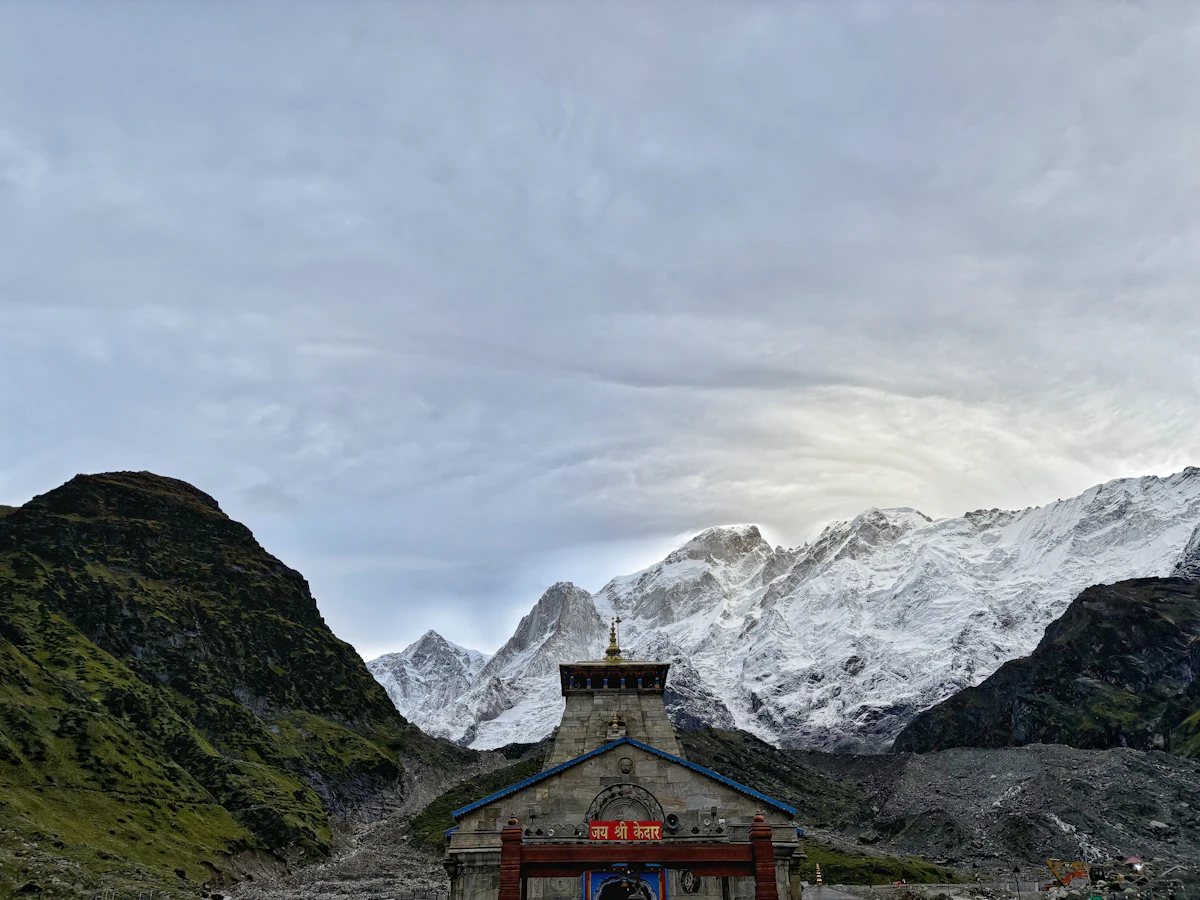
Kedarnath is one of the twelve jyotirlingas and one of the four dhams of the Char Dham yatra in Uttarakhand, and for many people it is the most meaningful trip they will ever make. It is also a high-altitude trek, not a temple visit with a walk attached. The shrine sits at roughly 3,500 m at the head of the Mandakini valley, there is no road to it, and the weather can turn within an hour. Plan it as a mountain trip first and the darshan takes care of itself.
The good news for the budget-minded is that Kedarnath can be done cheaply. Public buses, shared jeeps and simple rooms cover almost everything, and the single largest variable - how you get up the final stretch - is entirely your choice. This guide covers the route from Delhi, a realistic day plan, and what it costs at three levels of comfort.
Before anything else: registration and dates
- Registration is mandatory. Register on the official Uttarakhand yatra registration before you go, and carry the confirmation (on your phone and on paper) along with photo ID. It is checked on the route, and travellers without it can be stopped.
- The temple is open only part of the year. The doors usually open around late April or May and close around Diwali and Bhai Dooj in October or November. The exact dates are announced each year - check them before you book anything non-refundable.
- Book helicopter seats only through the official channel. Fake helicopter booking websites and agents are a well-known scam on this route every season. If someone is selling you a seat over WhatsApp, walk away.
The route from Delhi
The standard approach is Delhi to Haridwar or Rishikesh, then up the Alaknanda and Mandakini valleys via Devprayag, Srinagar (the Garhwal one), Rudraprayag and Guptkashi to Sonprayag. That last leg is a full day of mountain road - often eight to ten hours - and it is the part that people underestimate. Overnight buses run from Delhi to Haridwar and Rishikesh every night, and state and private buses plus shared jeeps run from Rishikesh towards Guptkashi and Sonprayag, mostly leaving early in the morning.
Private vehicles are generally stopped at Sonprayag. From there, shared jeeps run the short stretch up to Gaurikund, which is where the trek begins. If you are driving your own car, the Uttarakhand road trip guide on this site covers the hill-road basics - landslide season, night driving and fuel.
The trek
The walk from Gaurikund to Kedarnath is roughly 16-18 km each way on a paved, stepped mountain path that climbs steadily the whole way. Fit walkers take six to eight hours up; many first-timers take longer, and that is fine. The descent is quicker but hard on the knees. Food stalls, drinking water points and shelters line the route, though prices rise as you climb.
Ponies, palkis (palanquins carried by porters) and helicopter services all operate for those who cannot or prefer not to walk. Rates are fixed and revised by the authorities, so check the current fee at the official counters rather than haggling with whoever approaches you first. Helicopters fly from helipads lower in the valley and are weather-dependent - flights are cancelled in cloud, which is common.
A realistic 5-day plan from Delhi
- Night 0 - Delhi to Rishikesh or Haridwar. Take an overnight bus or train.
- Day 1 - Rishikesh to Sonprayag or Guptkashi. Leave early. A long day on the road; sleep near Sonprayag so you can start walking at dawn.
- Day 2 - Gaurikund to Kedarnath. Start by 5 or 6 am. Stay the night at Kedarnath - evening aarti and a quieter early-morning darshan are worth the cold night.
- Day 3 - Darshan and descent. Queue early, then walk down and get back to Sonprayag or Guptkashi by evening.
- Day 4 - Back to Rishikesh or Haridwar, then an overnight bus to Delhi, arriving the morning of Day 5.
Build in one spare day. Landslides, road closures and weather holds are normal on this route, especially early and late in the season, and a plan with no slack is the one that ends in a missed train.
Crowds, weather and health
May, June and the first weeks after the doors open are the busiest, along with long weekends. Queues for darshan can run for hours and rooms near the temple fill fast. September and October, after the monsoon, are usually calmer and clearer. July and August bring heavy rain and landslide risk on the approach roads, and most experienced travellers avoid them.
- It is cold at the top in every month - near or below freezing at night even in summer. Carry a proper jacket, a warm layer, gloves, a cap and a rain cover.
- Altitude sickness is real here. Headache, nausea and breathlessness that do not settle are warning signs; the treatment is to go down. Do not push through it.
- If you have a heart or lung condition, high blood pressure, or are elderly, speak to a doctor before you go. The climb is strenuous even with a pony.
- Walk at your own pace, drink water regularly and eat something every couple of hours.
- Our Himalayan packing list covers layers, footwear and the small things that matter at altitude.
Budget: low, mid and high
All figures are per person for a 5-day trip from Delhi and back, assuming you share rooms and any hired transport in a group of three or four. They exclude shopping and offerings.
Low budget
- Getting there and back (overnight bus Delhi-Rishikesh, buses and shared jeeps to Sonprayag): ₹2,000-3,500
- Stay (4 nights in dorms or basic shared rooms, including one night at Kedarnath): ₹2,000-4,000
- Food (dhabas, langar where available, trail stalls): ₹1,500-2,500
- Local transport (Sonprayag-Gaurikund shared jeep, locker or small fees): ₹300-700
- Buffer for delays and an extra night: ₹1,000-1,500
Total: roughly ₹7,000-12,000 per person. You walk both ways.
Mid budget
- Getting there and back (AC bus or train to Haridwar, a shared hired cab to Sonprayag and back): ₹4,500-7,500
- Stay (4 nights in clean private rooms with attached bathrooms, shared): ₹4,000-7,000
- Food: ₹2,500-3,500
- Local transport and a pony one way (check the current fee): ₹2,500-5,000
- Buffer: ₹1,500-2,500
Total: roughly ₹15,000-25,000 per person.
High budget
- Getting there and back (train or flight to Dehradun, private cab for the group throughout): ₹10,000-18,000
- Stay (4 nights in the better hotels at Guptkashi, Sitapur or Rishikesh and the best available at the top): ₹8,000-15,000
- Food: ₹3,500-5,000
- Helicopter or palki for the climb (check the current fee - it is the biggest single line): ₹6,000-15,000
- Buffer: ₹2,500-4,000
Total: roughly ₹30,000-55,000 per person.
Saving money without cutting corners
- Go in September or October, outside the long weekends. Rooms are cheaper and easier to find.
- Book the night at Kedarnath in advance in peak season; walk-in rates at the top are high when everything is full.
- Carry dry snacks and a refillable bottle. Prices on the trail climb with the altitude, for good reason - everything is carried up.
- Do not cut the warm clothing or the buffer day to save money. Those are the two things that keep the trip safe.
Going with a group
Kedarnath is easier, safer and cheaper with company. A shared cab from Rishikesh split four ways costs little more per head than the bus, rooms are priced per room rather than per person, and on the trail it helps to have someone who notices when you are slowing down. If you do not have a group of your own, find a group heading there during the yatra season, or post your own trip with your dates and let others join. Agree how you will split costs before you leave - how to split trip costs fairly has a simple method that avoids arguments in a Sonprayag car park.
Now find people going the same way
Browsing trips, clubs and members is free and open to everyone - no account or membership needed to look around.